How to visit Herculaneum in Naples
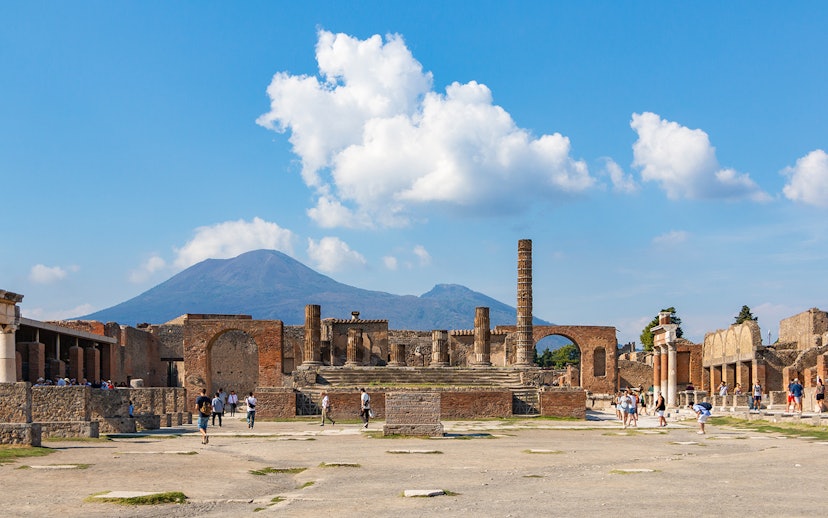
Herculaneum is an ancient Roman town best known for how completely the eruption of Vesuvius preserved its houses, woodwork, mosaics, and waterfront remains. The site is smaller than Pompeii, but it rewards slower looking more than fast box-ticking, and the biggest surprise is how little context the ruins give you on their own. A good visit depends less on stamina than on timing and interpretation. This guide covers when to go, how long to allow, which ticket fits, and what not to miss.
Quick overview: Herculaneum at a glance
Herculaneum is easier to manage than Pompeii, but a few smart choices make a noticeable difference once you are inside.
- When to visit: Daily, 8:30am–5pm from 15 October to 15 March and 8:30am–7:30pm from 16 March to 14 October. The first 60–90 min after opening is noticeably calmer than 10:30am–2pm, because most guided groups and transfer tours reach the gate later in the morning.
- Getting in: From €16 for standard entry . Guided tour options start around €40. You can often buy same-day entry outside peak pressure days, but booking ahead makes more sense in summer, on free-admission Sundays, and if you want an archaeologist-led tour or the official audio guide.
- How long to allow: 2–3 hours for most visitors. You'll push closer to the longer end if you use an audio guide, linger in the houses, or spend time at the ancient shoreline and boathouses.
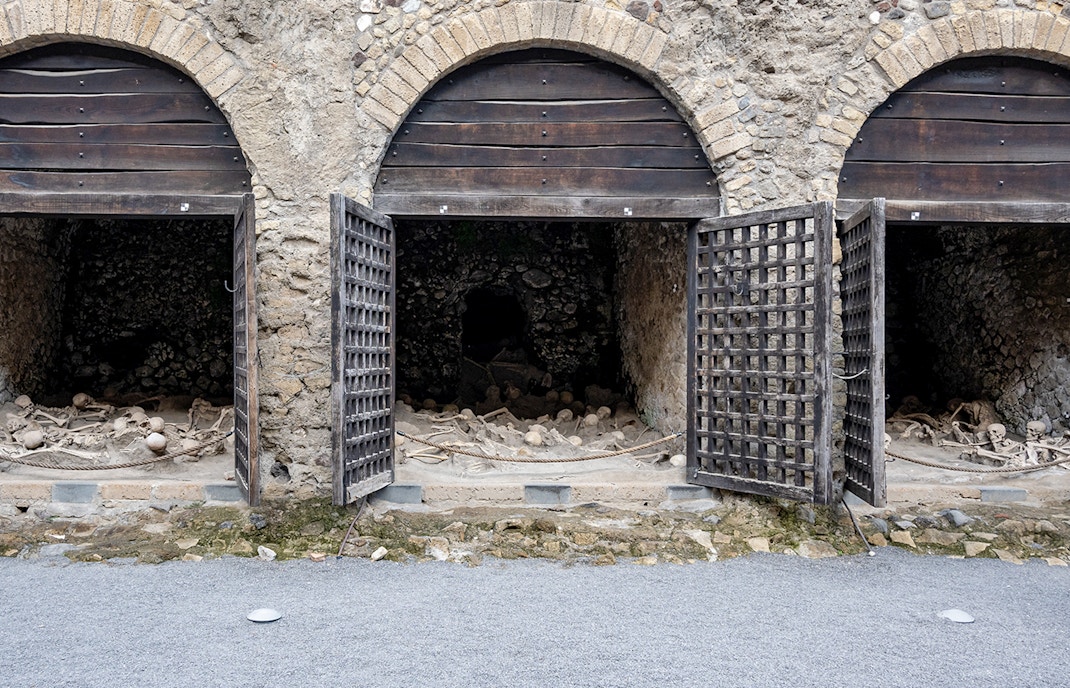
- What most people miss: The boat sheds at the old seafront and the small details inside houses, especially carbonized wood, shop counters, and upper-floor traces that people rush past after the headline mosaics.
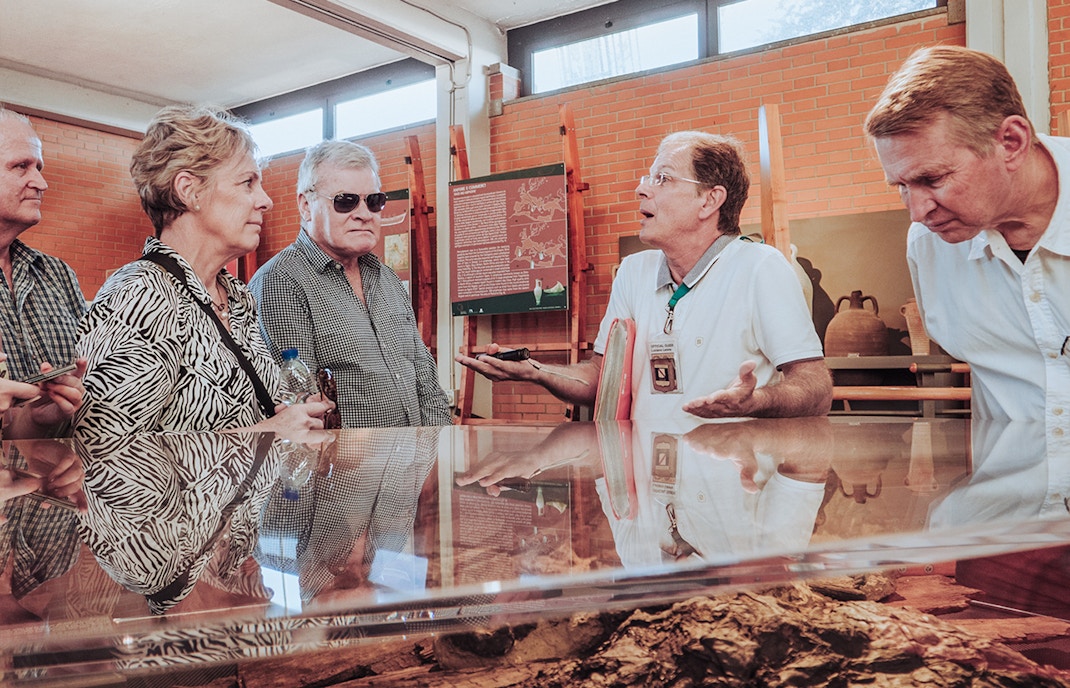
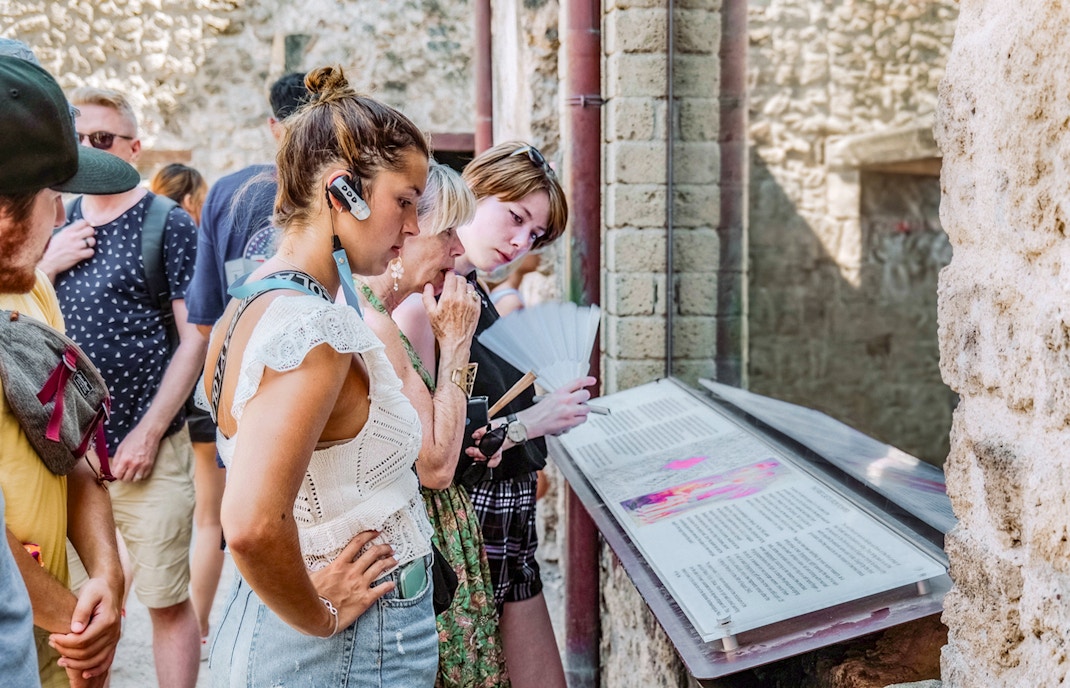
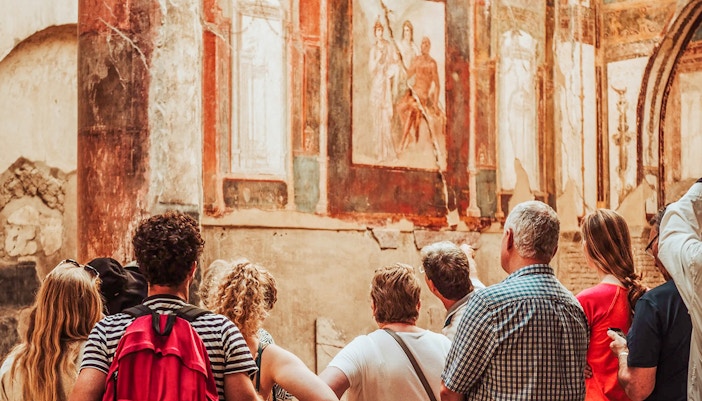
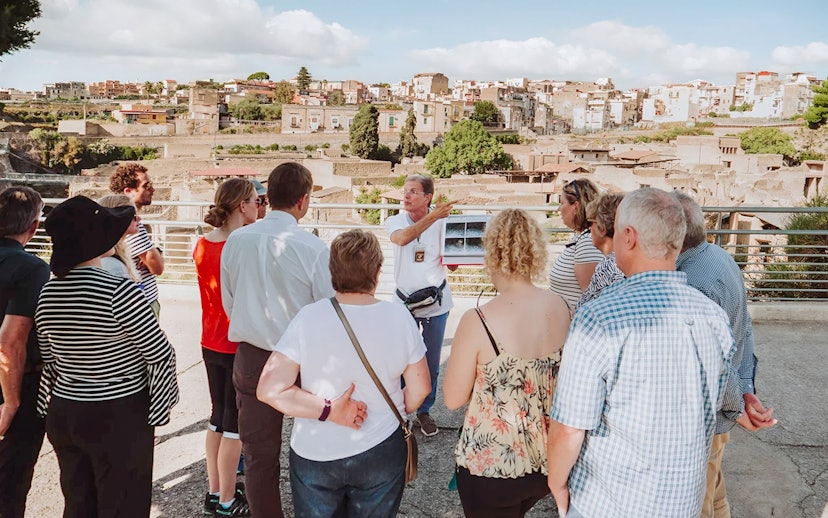
- Is a guide worth it? Yes, if it's your first visit, because the site has very little explanatory signage; if you prefer flexibility and already know the basics, the official audio guide does much of the same work for less.
Jump to what you need
Where and when to go
Which Herculaneum ticket is best for you
| Ticket type | What's included | Best for | Price |
|---|---|---|---|
Herculaneum Entry Tickets | Access to Archaeological Park of Herculaneum + optional digital audio guide/guidebook by selection | A flexible visit where you want the lowest entry cost and are happy to choose your own pace inside the ruins | From €16 |
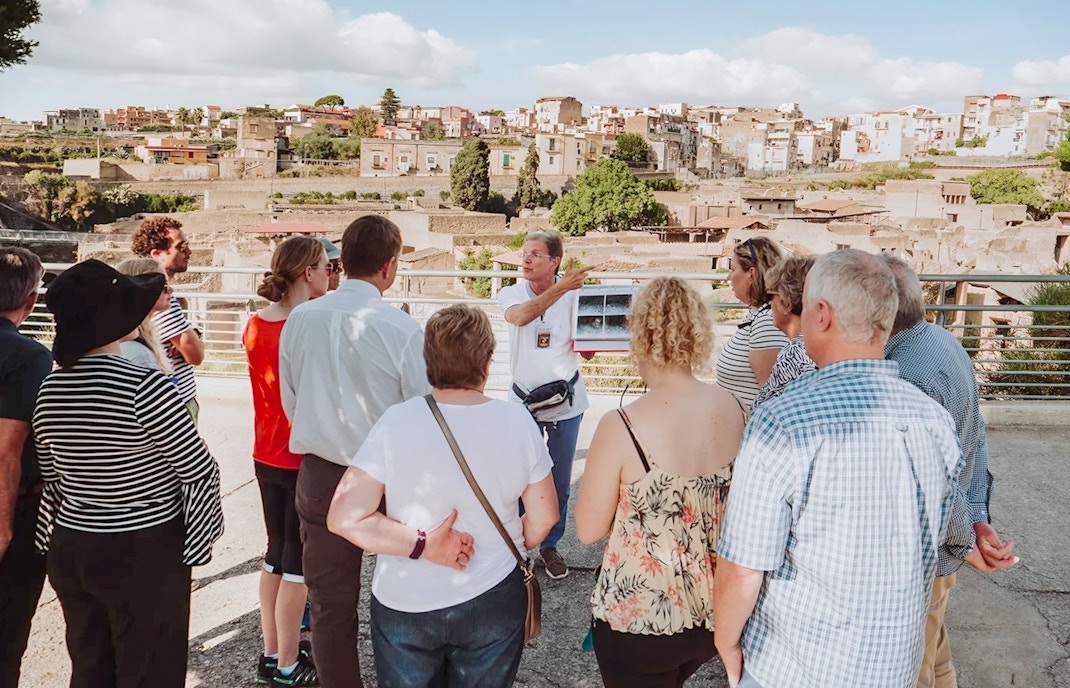
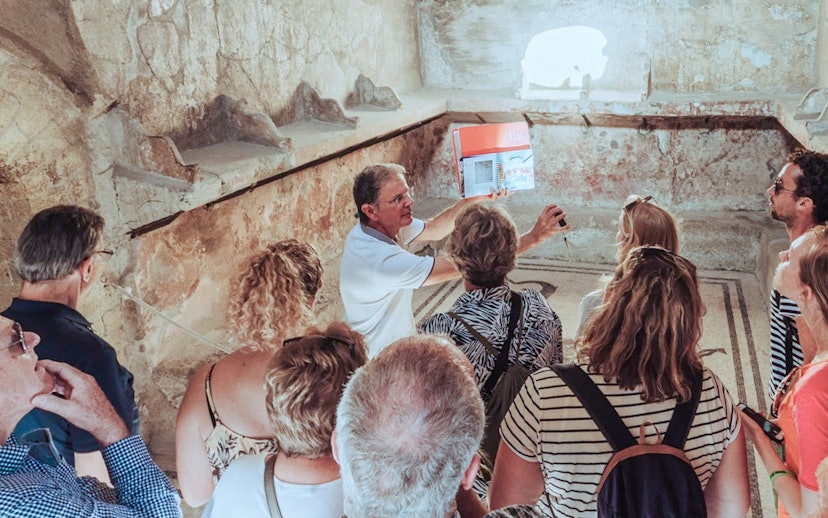
Herculaneum Priority-Entry Guided Tour with an Archaeologist | Priority entry + 2-hour guided tour + expert archaeologist guide | A first visit where the site's limited signage would leave you guessing what you're seeing | From €40 |
Herculaneum Private Guided Tour with an Archaeologist | Fast-track entry + private 2-hour tour + dedicated archaeologist guide + maximum of 10 guests | A visit where you want to control the pace, ask detailed questions, or avoid a shared-group route | From €108 |
How do you get around Herculaneum?
What is Herculaneum worth visiting for?
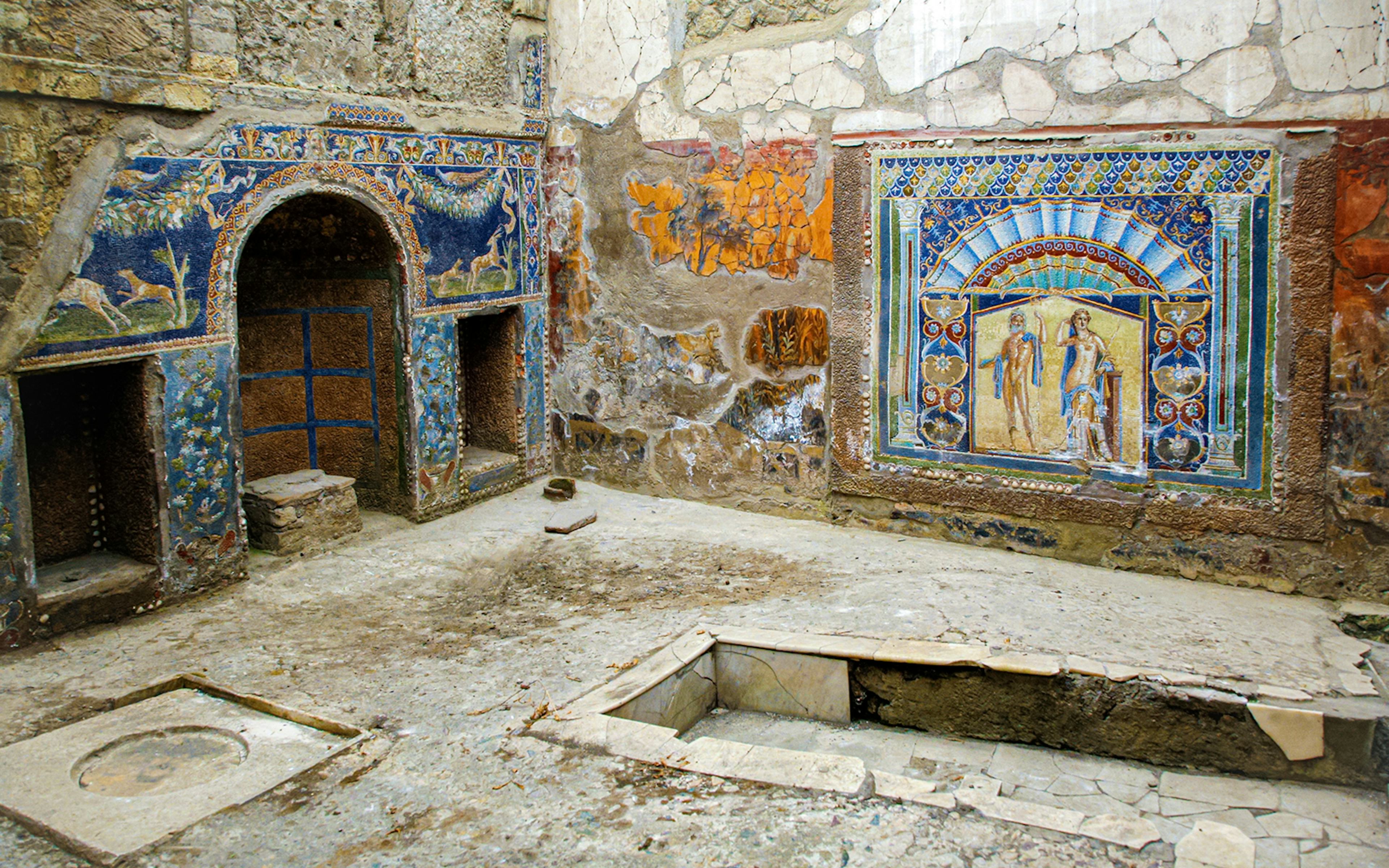
House of Neptune and Amphitrite
Type: Town house and nymphaeum
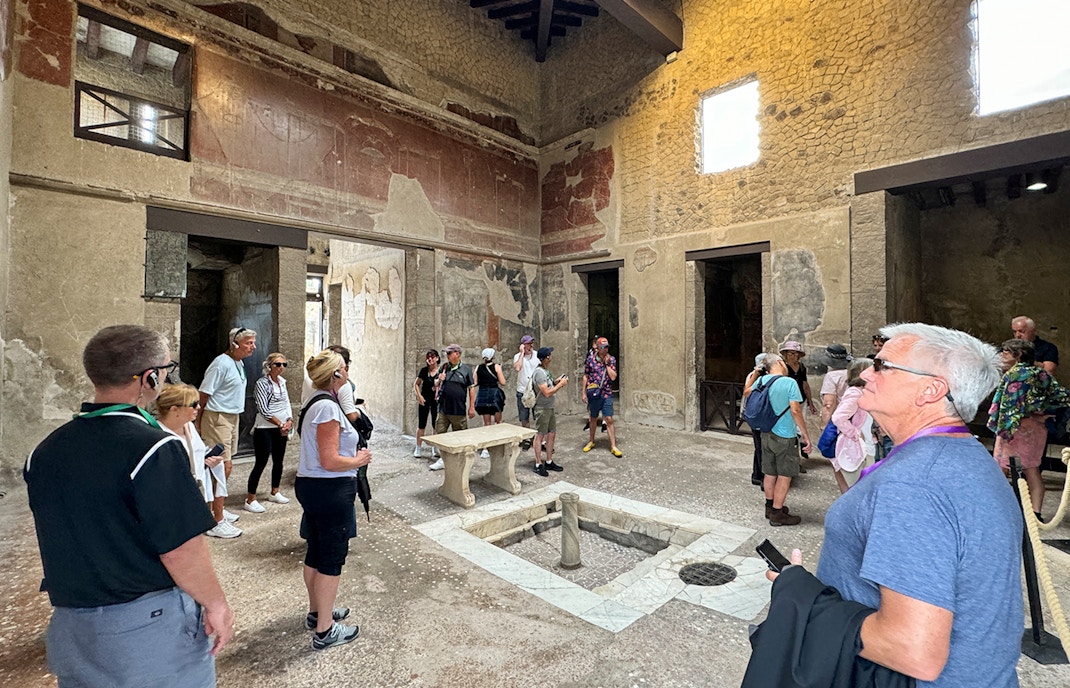
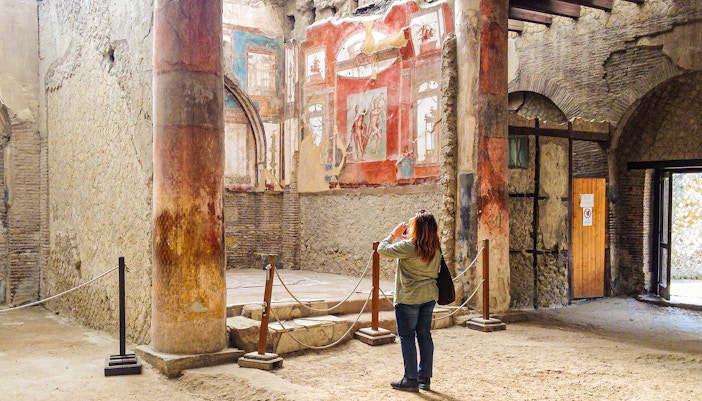
This is one of the clearest examples of why Herculaneum feels more intimate than Pompeii. The house's back-wall mosaic of Neptune and Amphitrite is the headline, but the detail most people rush past is the bar-style counter and service area beside it, which makes the domestic space feel surprisingly lived-in rather than grand in an abstract way. The combination of art and daily life is what makes it stick.
Where to find it: Along one of the central residential streets, not far from the House of the Wooden Partition and the main domestic zone.
Central Baths
Type: Public bath complex
The Central Baths are one of the easiest places to picture Roman daily routine rather than just admire ruins. Look for the sequence of changing, warm, and hot spaces, and slow down for the surviving decorative surfaces that show this was a social building, not just a practical one. Most visitors move through quickly because the layout feels formal, but it is one of the best keys to understanding how the town functioned.
Where to find it: Close to the main street network in the central section of the site, easy to pair with the nearby houses.
House of the Wooden Partition
Type: Elite domestic interior
This house matters because it preserves one of Herculaneum's most arresting details: carbonized wood that still reads as architecture, not debris. The sliding partition is the part to pause for, because it makes the destruction feel immediate and domestic in a way stone walls alone cannot. People often look up at the frescoes and move on too fast, missing the woodwork that sets Herculaneum apart from almost every other Roman site.
Where to find it: In the same core residential area as the major decorated houses, a short walk from the Central Baths.
Boat sheds and ancient shoreline
Type: Waterfront archaeological area
This is the most sobering part of the visit. The boat sheds near the former shoreline preserve the story of the people who tried to escape the eruption, and the emotional weight here is completely different from the decorated houses above. What many visitors miss is that this area also helps explain Herculaneum's original relationship to the sea, which is much harder to visualize from the upper streets alone.
Where to find it: At the lowest edge of the site, beyond the main street grid and past the residential core.
Terrace of Nonius Balbus
Type: Terrace and viewpoint
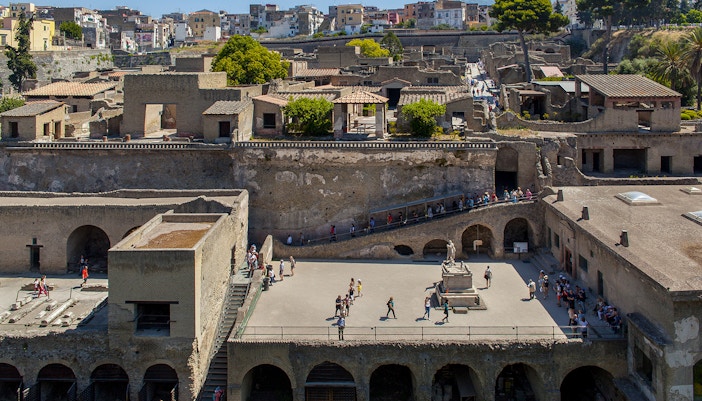
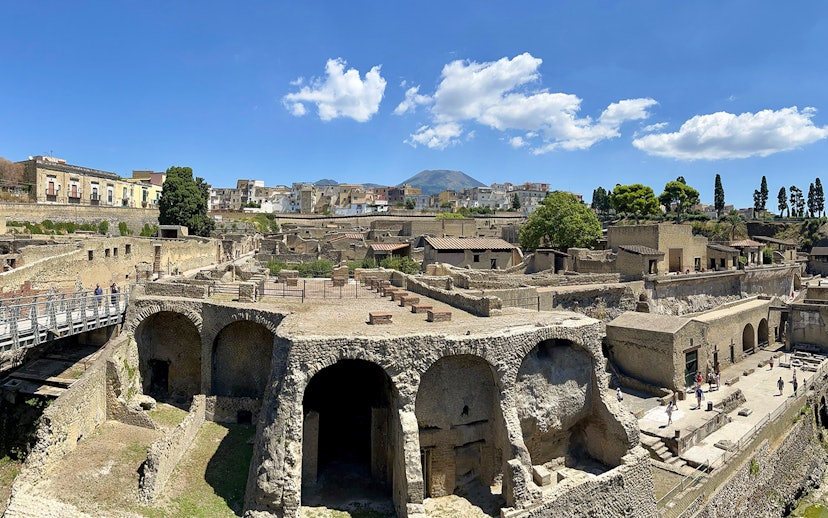
This is less famous than the mosaics, but it gives you the spatial "click" many visitors need. From here, the city, shoreline, and excavation bowl make more sense in one glance, and you can finally see how modern Ercolano sits above the Roman town. People often treat it as a transition space, yet it is one of the best places to stop and understand the scale of burial and excavation.
Where to find it: On the route down toward the ancient waterfront, near the lower end of the site.
Samnite House
Type: Aristocratic house
The Samnite House rewards slower looking because it shows off Herculaneum's pre-eruption prestige without needing the biggest crowd around it. Its layout and decorative fragments make it a strong example of how status was displayed in private space. Most visitors rush through because it doesn't advertise itself the way the better-known mosaic houses do, but it is one of the clearest reminders that this was a wealthy seaside town, not a minor outpost.
Where to find it: In the residential sector reached from the main cardines, before you descend fully toward the shoreline.
Facilities and accessibility
- 🎒 Lockers and luggage: Large backpacks, wheeled luggage, and bulky bags are not allowed, and standard entry products note there is no on-site luggage storage, so arrive light.
- 🚻 Restrooms: Accessible restrooms are available at the entrance, visitor centre, and ticket office, which makes it smart to use them before you commit to the lower streets.
- 🎧 Audio guide desk: If you book the official device-based guide, collect it after entry and be ready to leave an original photo ID as a deposit.
- 🗺️ Maps: Pick up the free site map when you enter, because Herculaneum is easy to walk but not self-explanatory once you start stepping into houses.
- 🧾 Reduced and free-entry checks: Under-18 entry and reduced fares rely on valid ID, so keep passports or photo ID accessible instead of buried in a packed day bag.
- 👨👩👧 Adult supervision: Children need to stay with an adult throughout the visit, which matters because the streets are open, uneven, and tempting to explore quickly.
- ♿ Mobility: Herculaneum is only partially accessible, with ramps, bridges, and some easier routes including Cardo III, but uneven paving, slopes, thresholds, and steps still block many houses and parts of the shoreline route.
- 👁️ Visual impairments: A live guide or the official audio guide helps more than at most sites because interpretive signage is very limited and many of the key details are small or easy to overlook.
- 🧠 Cognitive and sensory needs: There is no dedicated sensory program in current ticket information, so the least stressful plan is the 8:30am opening slot before the 10:30am–2pm group surge.
- 👨👩👧 Families and strollers: Some transfer-based tours accept strollers, but the archaeological route itself is not pushchair-friendly end to end, so a carrier is usually easier inside the ruins.
- 🐕 Service animals: Certified service animals are accepted, but general pet rules vary by booking, so check the exact conditions on your ticket before arrival.
Herculaneum works well for school-age children because the preserved wood, mosaics, streets, and shoreline remains are easier to visualize than at many larger ruins.
- 🕐 Time: Around 1.5–2 hours is realistic with younger children, and the best priorities are the decorated houses, baths, and boat sheds rather than trying to cover every street.
- 🏠 Facilities: Accessible restrooms are the main family essential on-site, but there is no luggage storage, so keep your kit small and easy to carry.
- 💡 Engagement: The official audio guide includes a shorter 40-minute children's route, which is useful if attention spans won't hold for a full adult commentary.
- 🎒 Logistics: Bring water, sun protection, and closed-toe shoes, and aim for opening time so the site is cooler and easier to move through before groups arrive.
- 📍 After your visit: If energy is fading, keep the post-visit plan simple and head back toward Ercolano Scavi or Naples rather than forcing another long archaeological stop.
Rules and restrictions
Practical tips
- Book for context, not just access: The biggest upgrade here is interpretation, because Herculaneum has very little on-site explanation. If you don't want a live guide, Herculaneum Skip-the-Line Tickets with Official Audio Guide is the safest self-guided version to book.
- Use the 8:30am opening well: Being inside in the first hour gives you cooler streets, cleaner photos, and noticeably fewer groups than the 10:30am–2pm surge.
- Don't save the shoreline for last: People often treat the central houses as the main event and leave the boat sheds for "if there's time," then skip the most affecting part of the site when energy drops.
- Pack smaller than you think: Large bags are restricted and there is no standard on-site luggage storage, so a light day bag gets you moving faster and saves hassle at the gate.
- Bring the right audio gear: If you booked the official device-based audio guide, bring your own jack-earphones and keep an original photo ID ready for deposit.
- Be careful with a Pompeii double-day: You can pair the sites, but many independent visitors end up too tired to appreciate Herculaneum after a full Pompeii morning, which is why a structured combo or separate day often works better.
- Eat before you descend: Herculaneum is mostly outdoors and better for one continuous 2–3 hour visit than a stop-start plan built around a meal break.
What else is worth visiting nearby?
Eat, shop and stay near Herculaneum
- On-site: Current ticket information does not point to a reliable meal stop inside the archaeological park, so Herculaneum works best if you eat before entry or after you climb back out.
- Corso Resina cafés (10-min walk, Corso Resina): Best for a quick coffee, pastry, or takeaway slice before an 8:30am entry.
- Ercolano Scavi station area bars (10–15 min walk, around the station approach): Useful for fast sandwiches and cold drinks if you are arriving by train and want a simple pre-visit stop.
- Naples city center (18 min by Campania Express, Napoli Porta Garibaldi): Better choice for a proper sit-down meal after your visit if you care more about variety than proximity.
- 💡 Pro tip: The smart food move here is an early breakfast or early lunch before entry, because once you are inside the ruins, stopping mid-visit usually breaks the flow more than it helps.
- Entry-area book and map counters: Best for practical guidebooks and site material if you decide on arrival that you want more context than the ruins themselves provide.
- Ercolano station area convenience shops: Best for water, hats, sunscreen, and small essentials you forgot before the walk down to the gate.
Ercolano is practical for a short archaeological stop, but it is not the strongest base for a longer Naples-area trip unless Herculaneum is your main reason for being here. Most visitors find Naples easier for transport and dining range, while Sorrento works better if you want a scenic base and are happy to day-trip in.
- Price point: The area is generally more functional than polished, with simpler stays and fewer destination-style hotel picks than Naples or Sorrento.
- Best for: Visitors on a short itinerary who want the earliest possible gate arrival and minimal morning logistics.
- Consider instead: Naples if you want better food, rail connections, and evening options, or Sorrento if you are building a broader Bay of Naples trip around scenery and day tours.
Frequently asked questions about visiting Herculaneum
Most visits take 2–3 hours. That is enough time for the main streets, the best-preserved houses, the baths, and the ancient shoreline without rushing. If you use the official audio guide or stop often for photos and details, you can push closer to 3 hours.
No, you do not always need to book ahead for Herculaneum. Same-day entry is often realistic because queues are usually short, but advance booking makes more sense in summer, on the first Sunday of the month, and whenever you want a guided tour or the official audio guide already secured.
Yes, but only in a limited way. At Herculaneum, skip-the-line mainly saves the ticket-office step, not a long security delay, and normal waits are often modest. It is most useful if you are arriving late morning in summer, joining a fixed tour, or simply want everything sorted before you get there.
Arrive 15–20 minutes early. That gives you enough time for ticket checks, the walk down to the gate area, and audio guide collection if you booked one. If you are joining a guided tour or transfer-based product, stick closely to the check-in time because late arrivals can be treated as no-shows.
Yes, but keep it small. Large backpacks, suitcases, wheeled luggage, and bulky bags are restricted, and standard entry products note there is no on-site luggage storage. A light day bag is the safest choice, especially if you are carrying water, sunscreen, and a guidebook.
Yes, handheld personal photography is usually fine. Flash, tripods, drones, commercial shoots, and professional filming gear are restricted or prohibited, and protected rooms or restoration areas may carry tighter rules. If you want the least crowded photos, go in the first hour after opening.
Yes, and group visits are common. Shared archaeologist-led tours usually last about 2 hours, and some products include headsets for larger groups. If you want more control over pace or have a specific interest, a private tour is the cleaner choice than trying to steer a standard shared group.
Yes, especially for school-age children. The site is compact enough for a 1.5–2 hour family visit, and the preserved wood, mosaics, baths, and shoreline remains are easier for children to picture than a larger, more spread-out ruin. Go early, pack water, and do not rely on strollers for the full route.
Herculaneum is only partially wheelchair accessible. Some ramps, bridges, and easier routes are in place, including sections around Cardo III, but many houses and paths still involve uneven paving, slopes, and steps. It is more accessible than many visitors expect, but not fully barrier-free.
Yes, but plan to eat outside the ruins rather than during the visit. Current ticket information does not point to a dependable meal stop inside the archaeological park, so most visitors do better with a quick meal before entry or a proper lunch back near Ercolano Scavi or in Naples afterward.
Yes, but it is only worth doing if you plan the pacing well. Many visitors can handle Pompeii and Herculaneum in one day, but independent trips often leave Herculaneum feeling rushed when energy drops. If you want both, a structured combo or transfer-based tour usually works better than improvising the second site late in the day.
Yes, Herculaneum offers free admission on the first Sunday of each month. It is a real saving, but it is also the day's biggest trade-off because local turnout rises sharply and the site's usual calm disappears. If you value quiet streets more than saving the ticket price, choose a weekday instead.